
A mission for sustainable future
We believe in the potential value of biopolymers and are committed to bringing them to our everyday lives.
Useful material & nutritious ingredient produced from agricultural by-streams

A novel production method to make use of natural biopolymers, targeting the issue of microplastics pollution.
An invisible problem
Consumers are becoming increasingly conscious of choosing eco-friendly materials in daily uses. However, the coatings on paper cups, the labels and tapes on cardboard boxes, and the adhesives used in plywood are often difficult to notice.
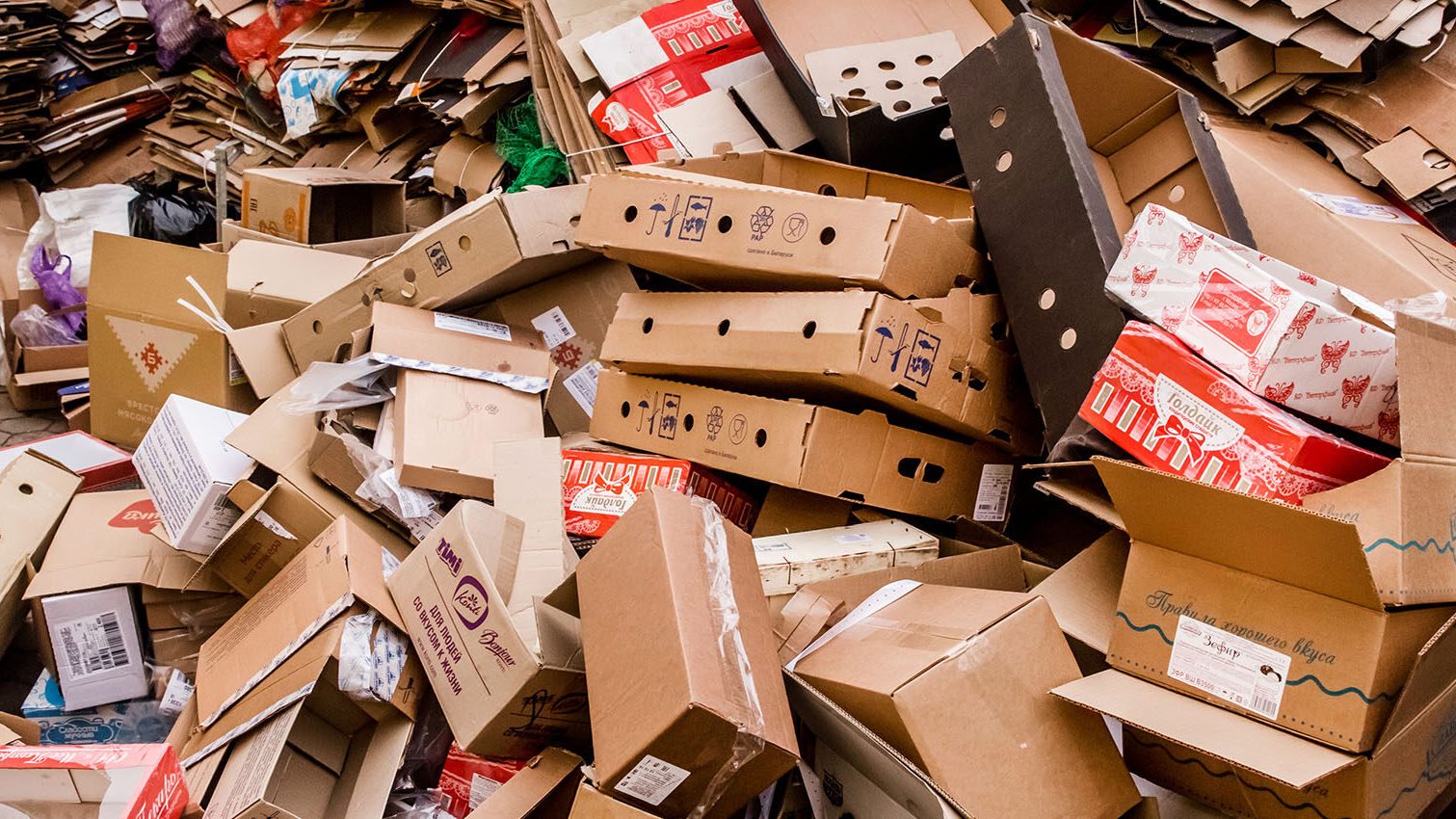
Usually made of fossil-based polymers, these thin layers attached to substrates for barrier or bonding purposes are causing an invisible problem. They are neither biodegradable like paper and wood, nor are they easily separated in paper recycling systems. Microplastics are generated during their uses or after disposal, and some materials may release volatile organic compounds such as formaldehyde.
Our solution
Agricultural waste or side-streams are rich sources of biopolymers, which can be used to develop alternatives to fossil-based plastics. Unlike many renewable polymers synthesized from bio-based monomers, our unique technology avoids chemical polymerization by directly extracting and processing natural polymers.
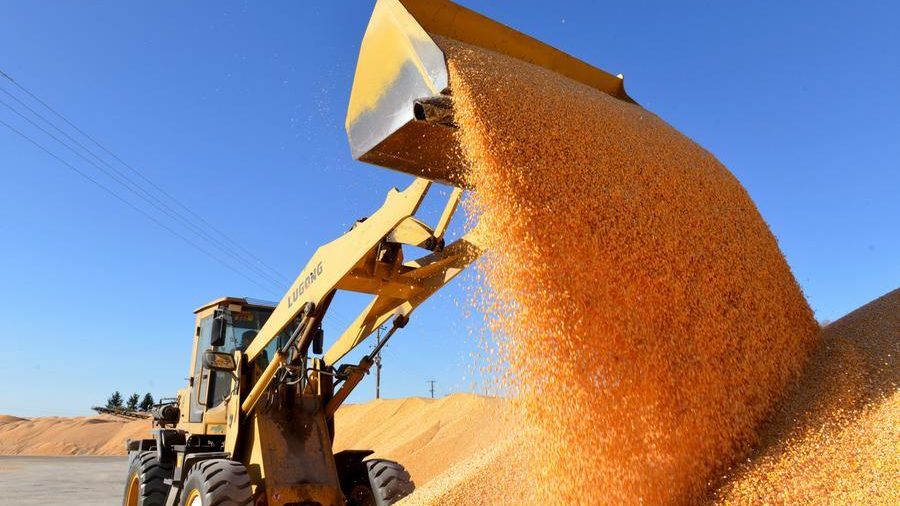
The product, U-protein, is derived from non-allergenic plant protein and has demonstrated high water resistance and excellent bonding strength, making it suitable for barrier coatings and adhesives on wood or paper substrates. With its abundant raw material sources and scalable production process, it is expected to meet the daily needs of a wide range of consumers.
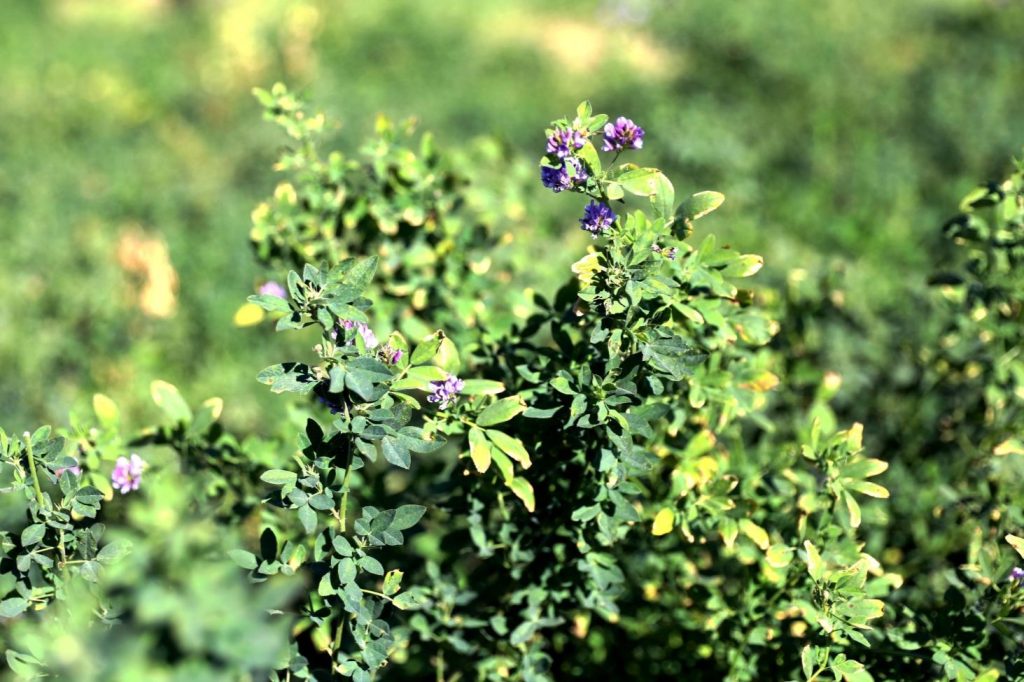
Native protein extracted from the largest resource on earth, ready for innovative applications in food.
Demand for protein
Protein is an essential macronutrient that is predicted to be in particular short supply in the future. The demand for new protein sources addresses multiple Sustainable Development Goals from UN’s 2030 Agenda. The issue is not only filling the protein gap with volume, but also driving the protein transition towards sustainable, nutritious alternatives.
Plant proteins are normally considered more sustainable than animal proteins but with lower nutritional qualities. A ‘farm-to-fork-to-faeces’ approach can be applied to evaluate both sustainability and nutritional value of a protein, taking into account the production method as well as the protein digestibility.
Our solution
The largest reservoir of plant-based protein lies within green leaves. A photosynthetic enzyme, RuBisCO, has attracted attention due to its complete amino acid profile and its PDCCA (Protein Digestibility Corrected Amino Acid) score equivalent to beef.
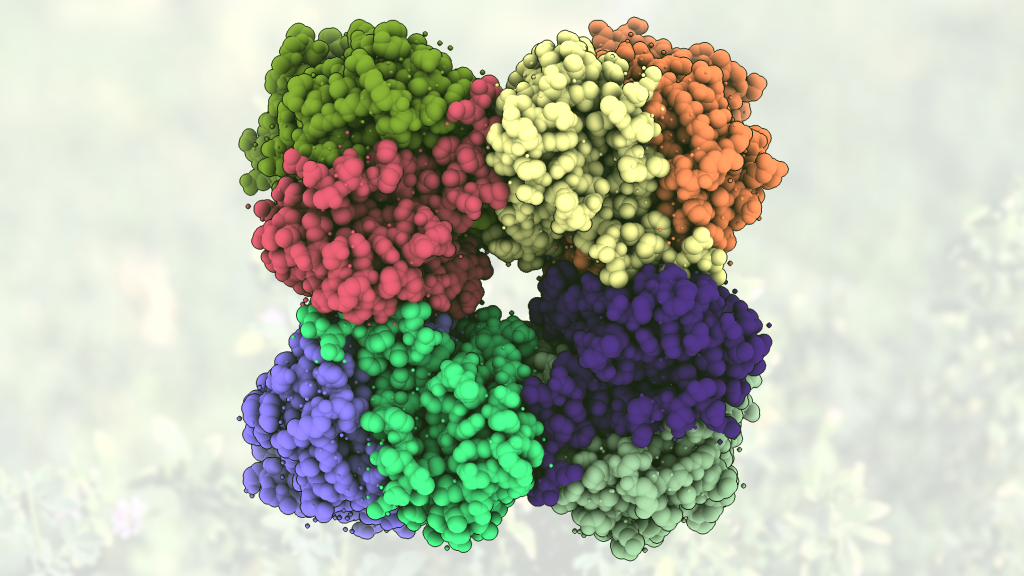
The challenge is extracting RuBisCO from abundant but low-purity sources, such as food byproducts and non-food plants. Our production method achieves efficient extraction while preserving the native properties of RuBisCO, including solubility, digestibility and emulsifying functionalities. The product, V-protein, is a ready-to-use ingredient for various innovative food applications.
We believe in the potential value of biopolymers and are committed to bringing them to our everyday lives.
Contact us

Visiting address:
Unit 610, 6/F, Building 19W, No. 19 Science Park West Avenue, Hong Kong Science Park, N.T., Hong Kong SAR